The Black Harvest Trilogy is rooted in a real Devon farm whose history stretches from the nineteenth century to the present day. The photographs below show some of the people, places, documents and artefacts that inspired the novels. Many remain exactly where they were found and can still be seen today.
Before the Farm
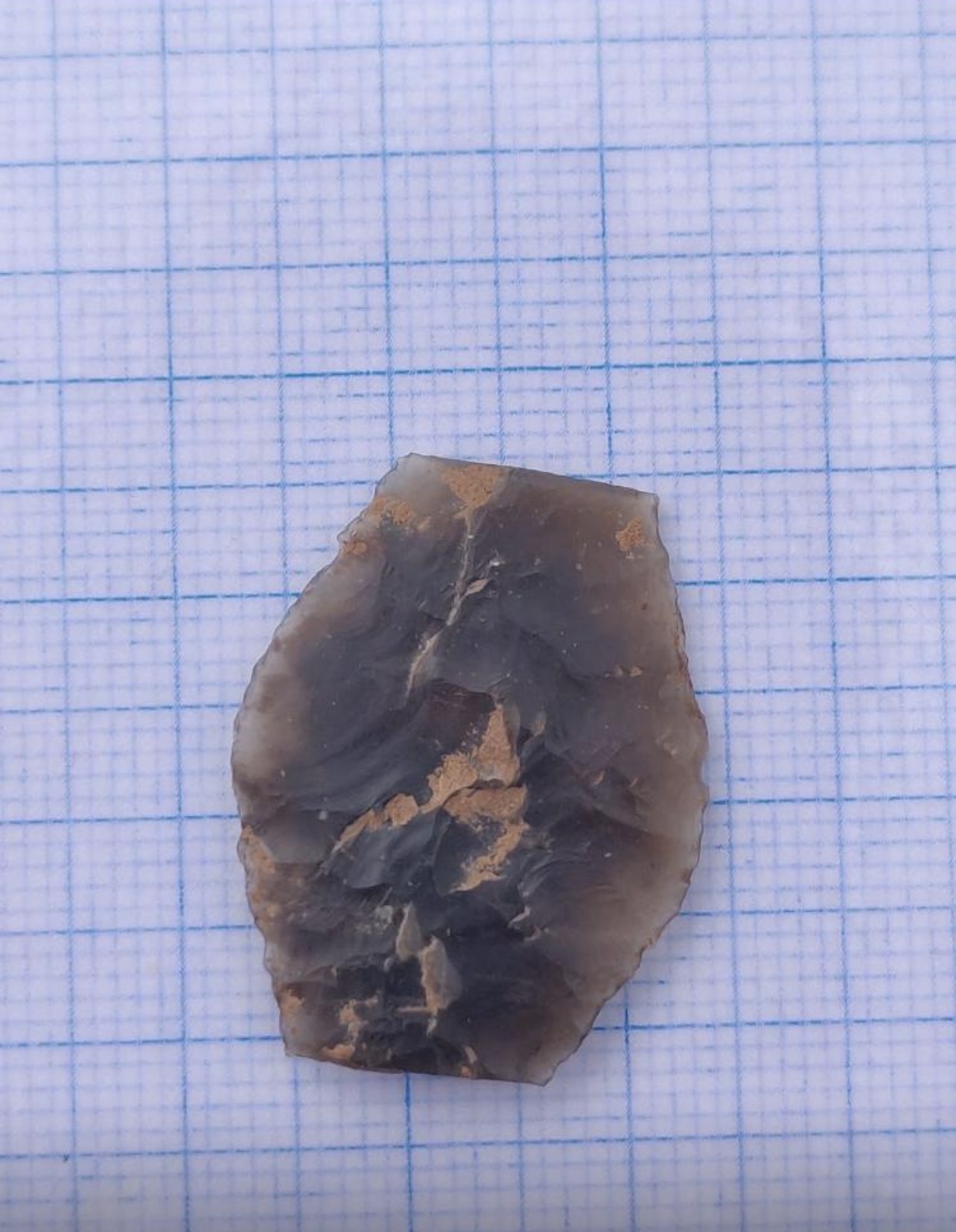
The story told in these novels begins in 1866, but human activity on this site stretches back much further. A rare Neolithic kite-shaped arrowhead, shown in one of the photographs and now held in a museum collection, was discovered here and dates from around 4,000 - 6,000 years ago. People were present on this land long before the farm itself existed.
Where the Crows Watch
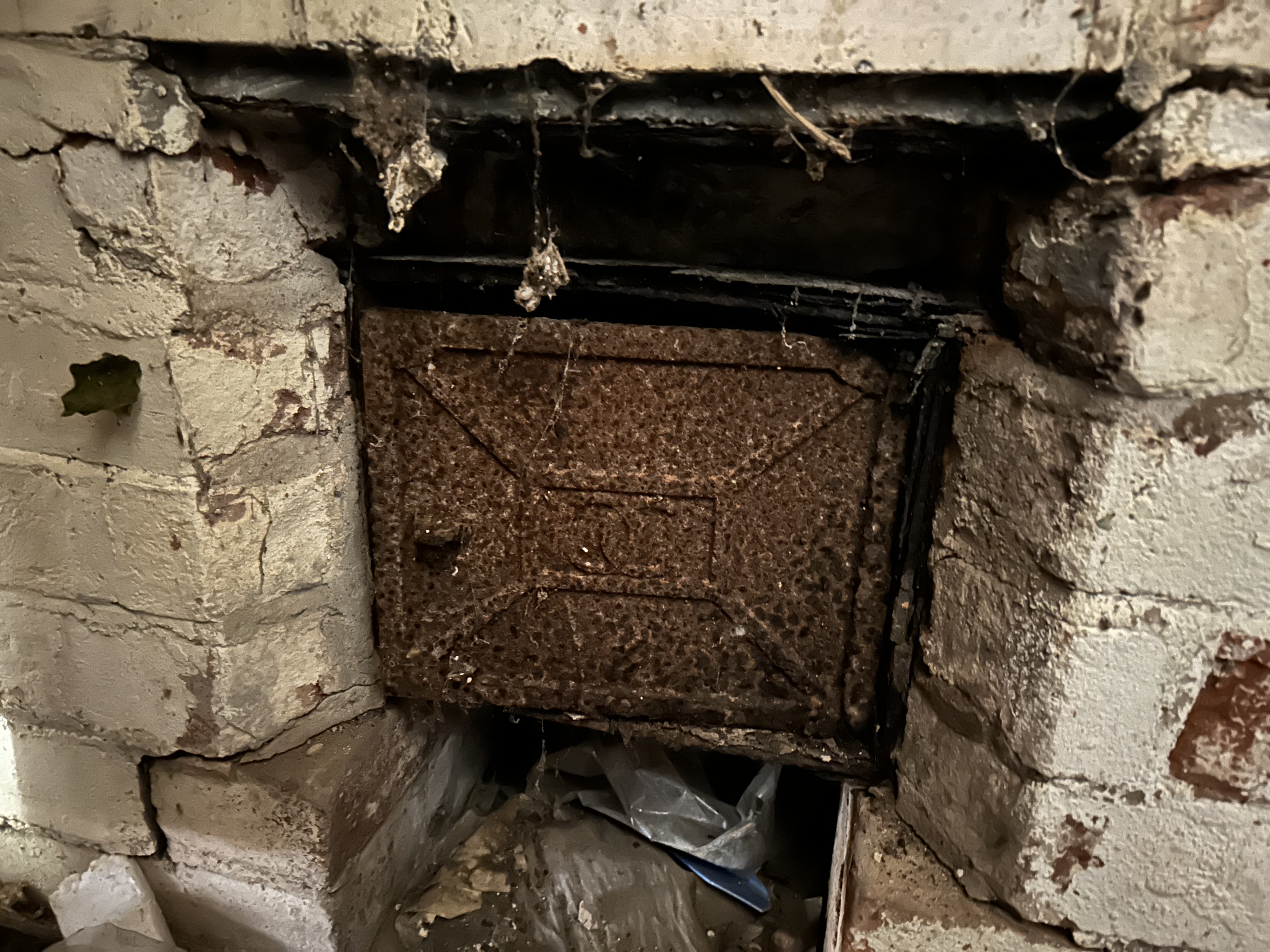
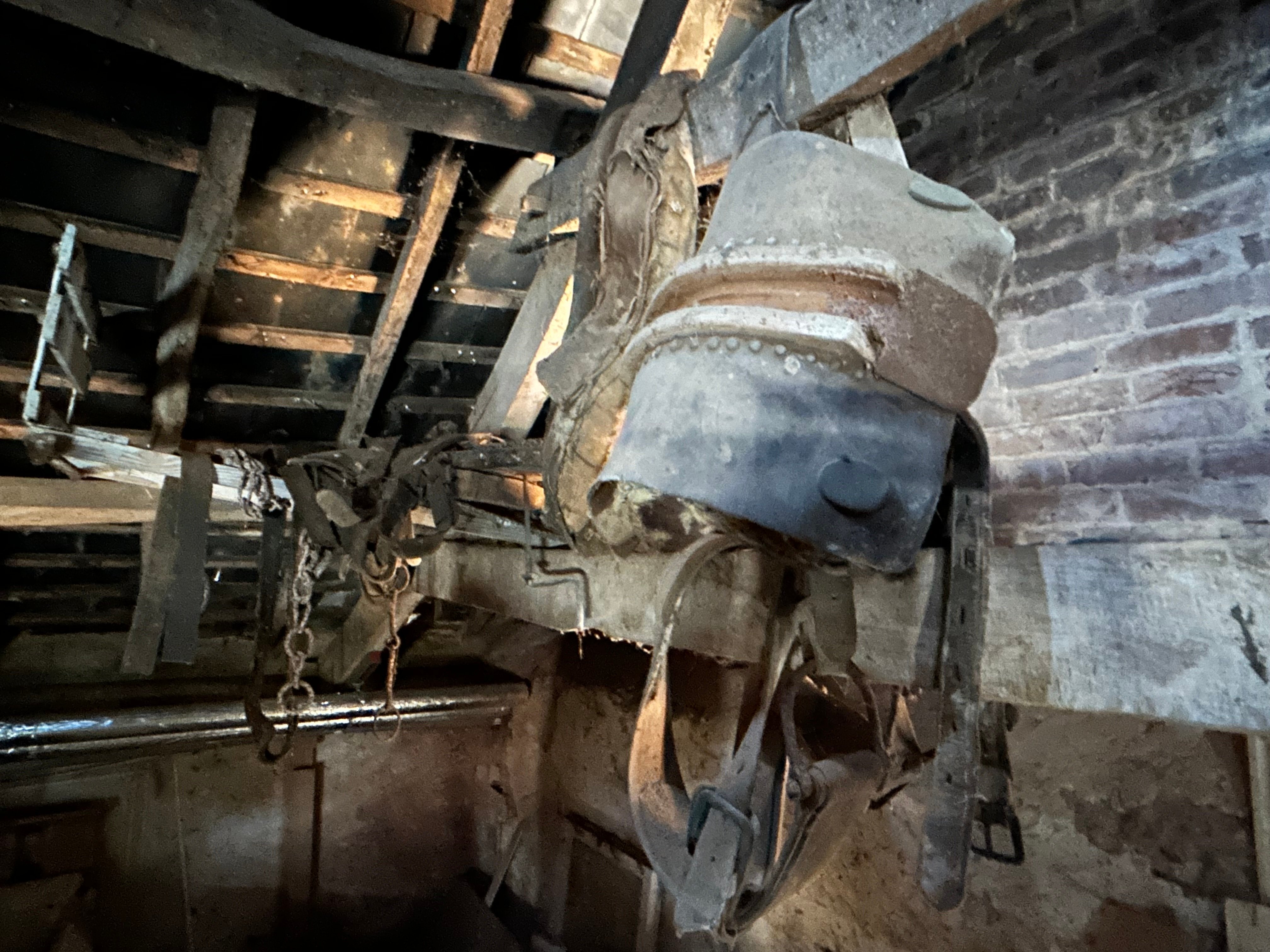
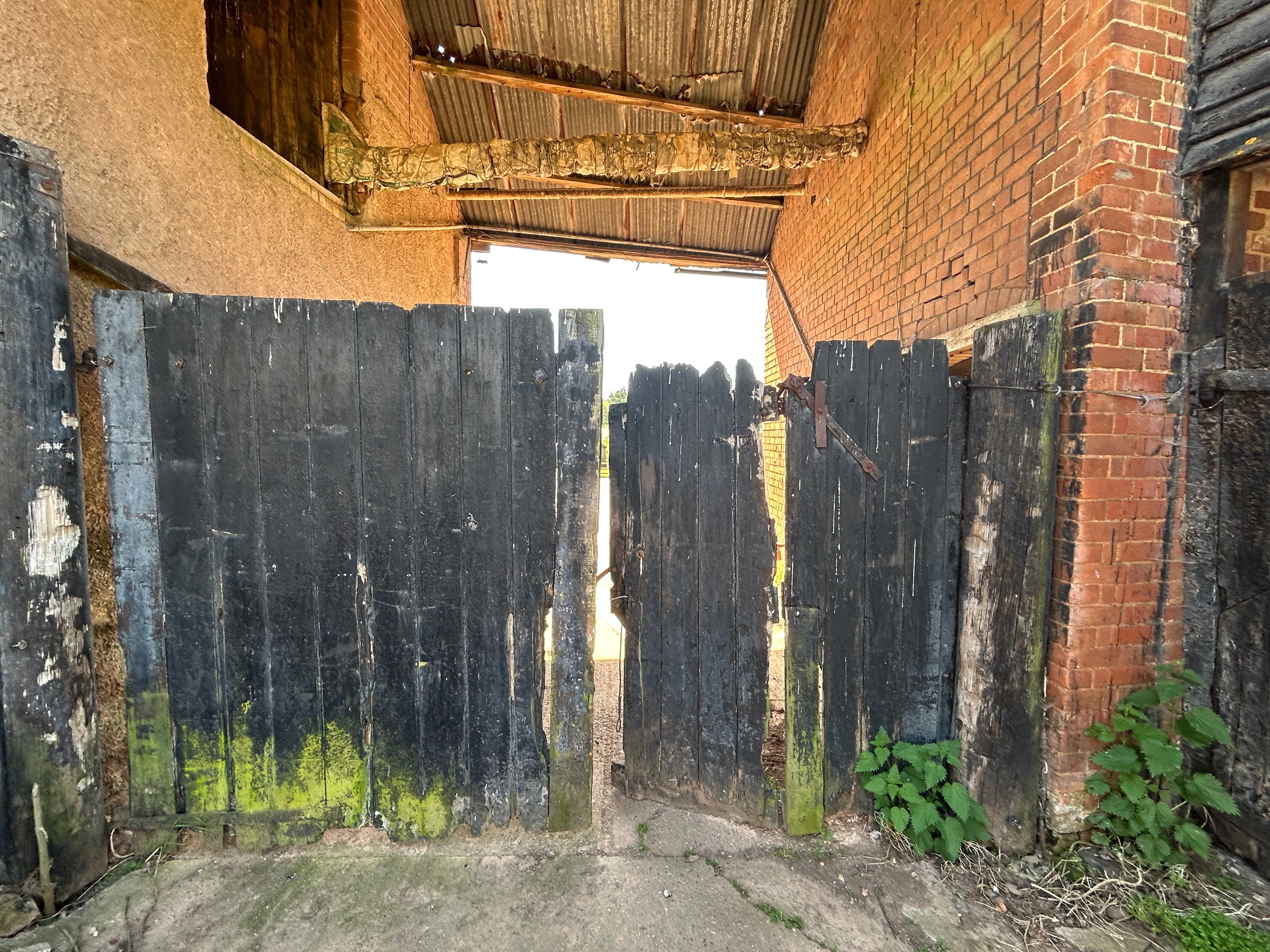
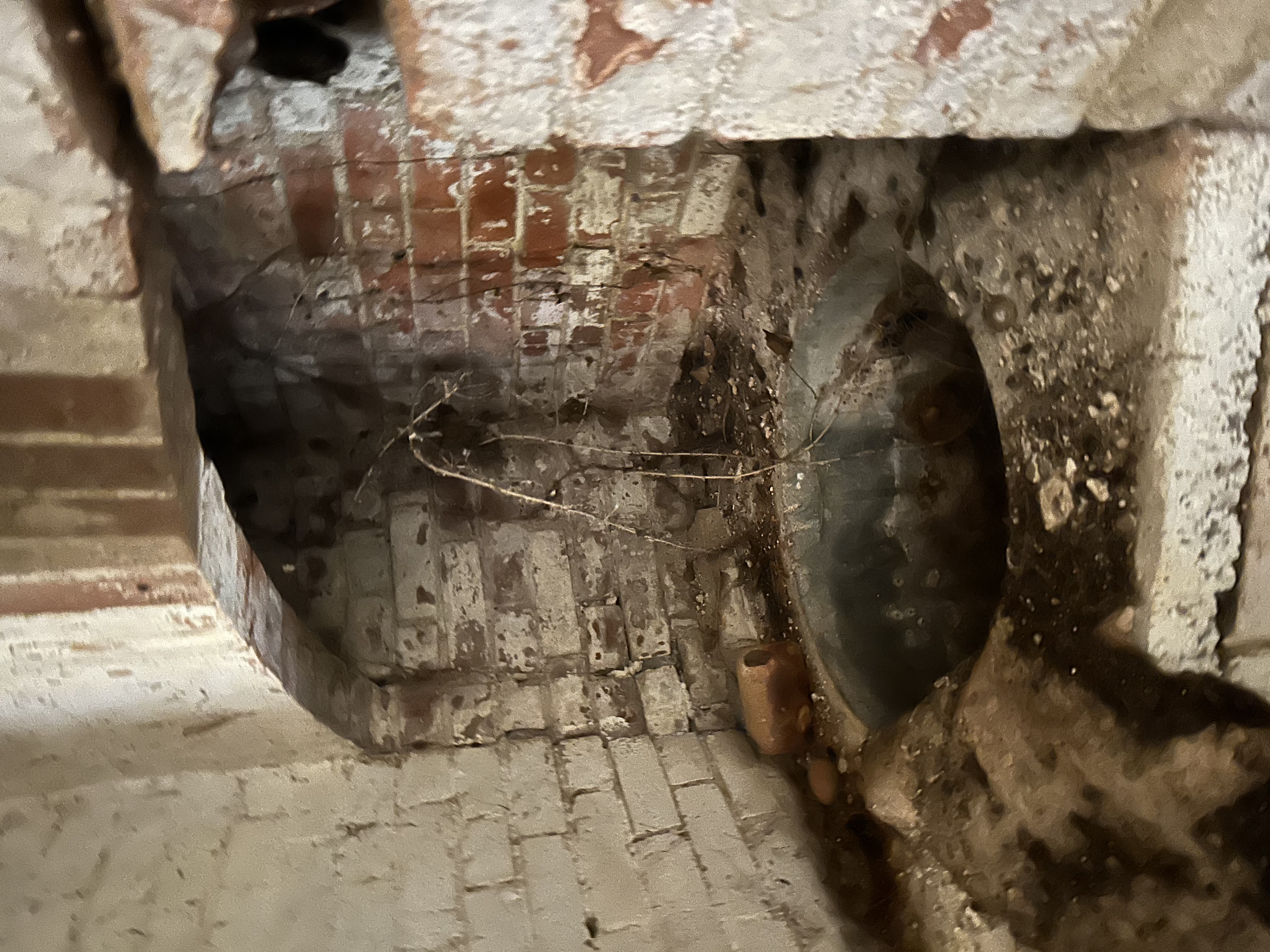
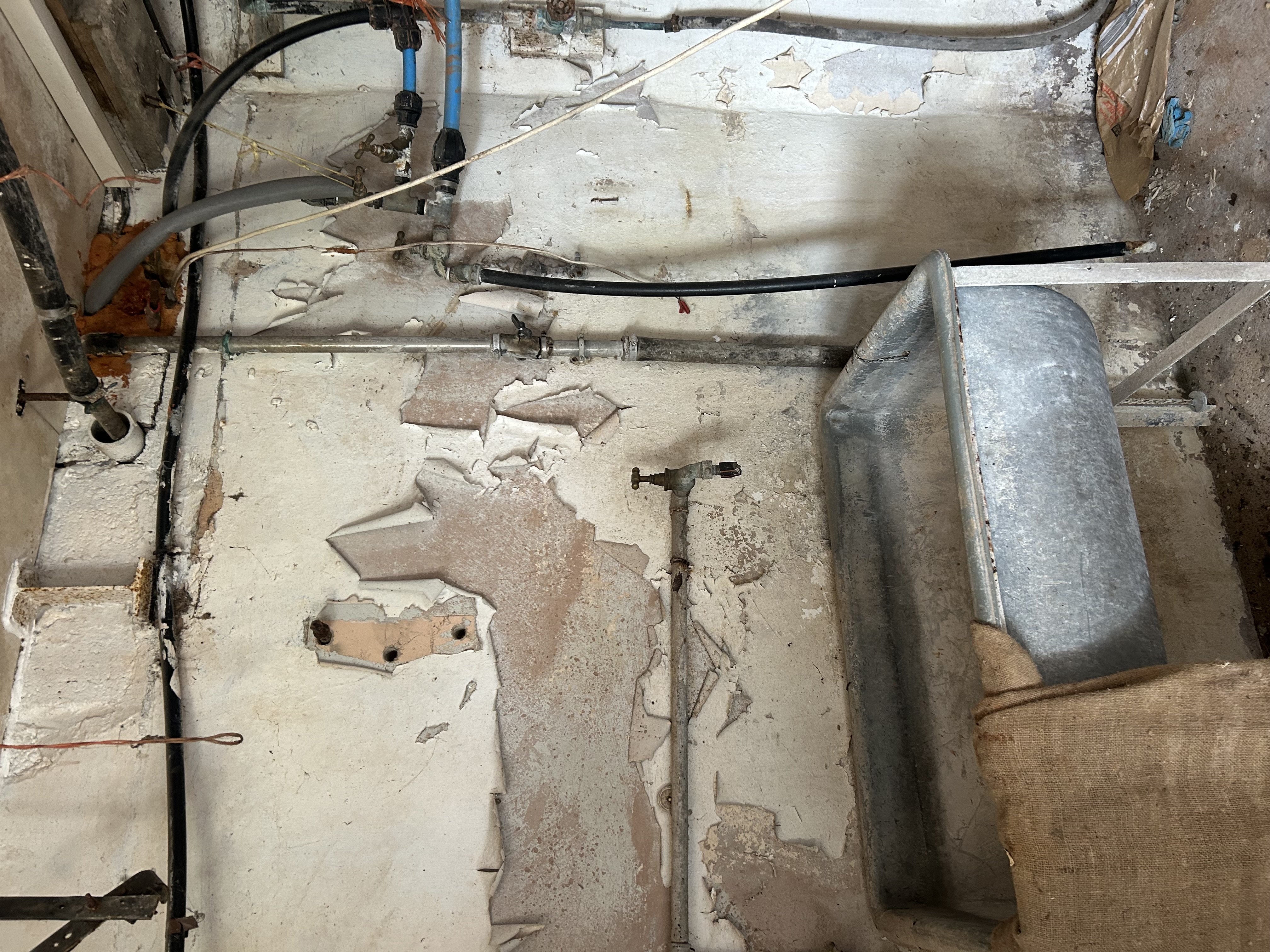
The photographs show objects connected to people who inspired the first novel. Included are the bread oven used by Henry Harris, the horse harness he left hanging nearly a century ago, the black gates he passed through on his way to the fields and the stone sink used daily in the farmhouse.
Malumdon Cottage
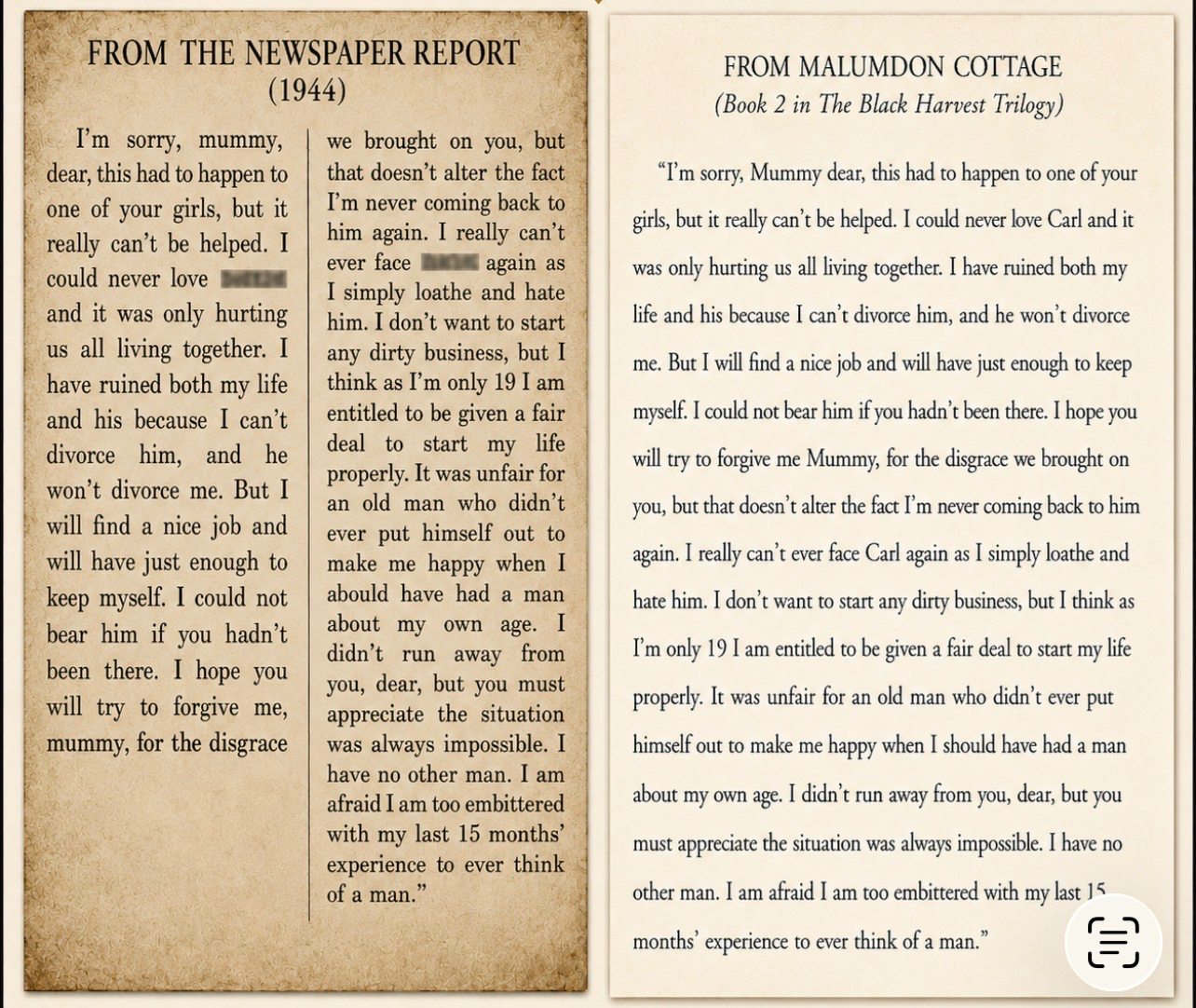
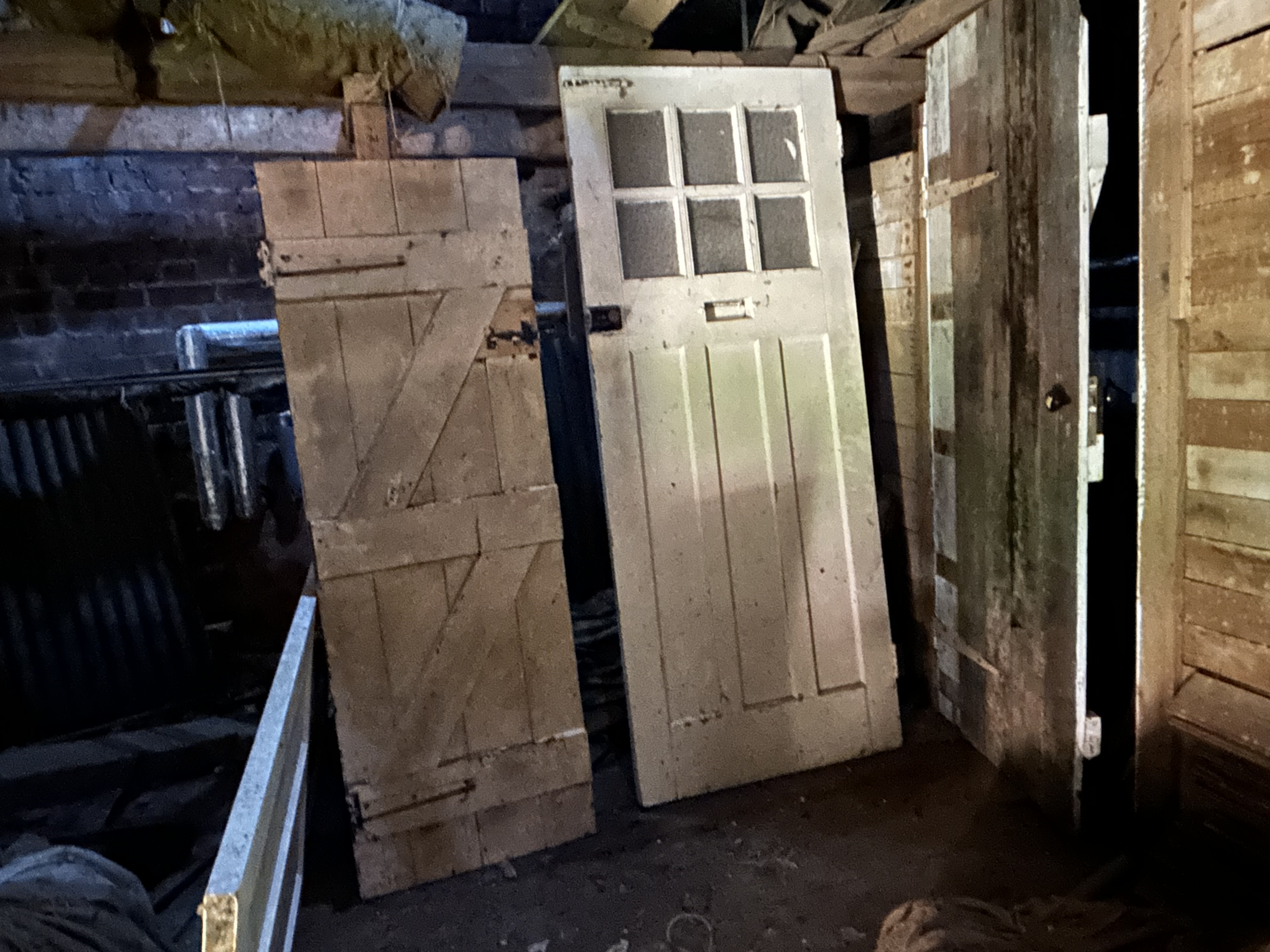
Kathleen's 1944 newspaper letter is shown alongside the fictionalised version that appears in the novel. The original cottage doors from the 1940s remain at the farm today.
Malumdon Farm
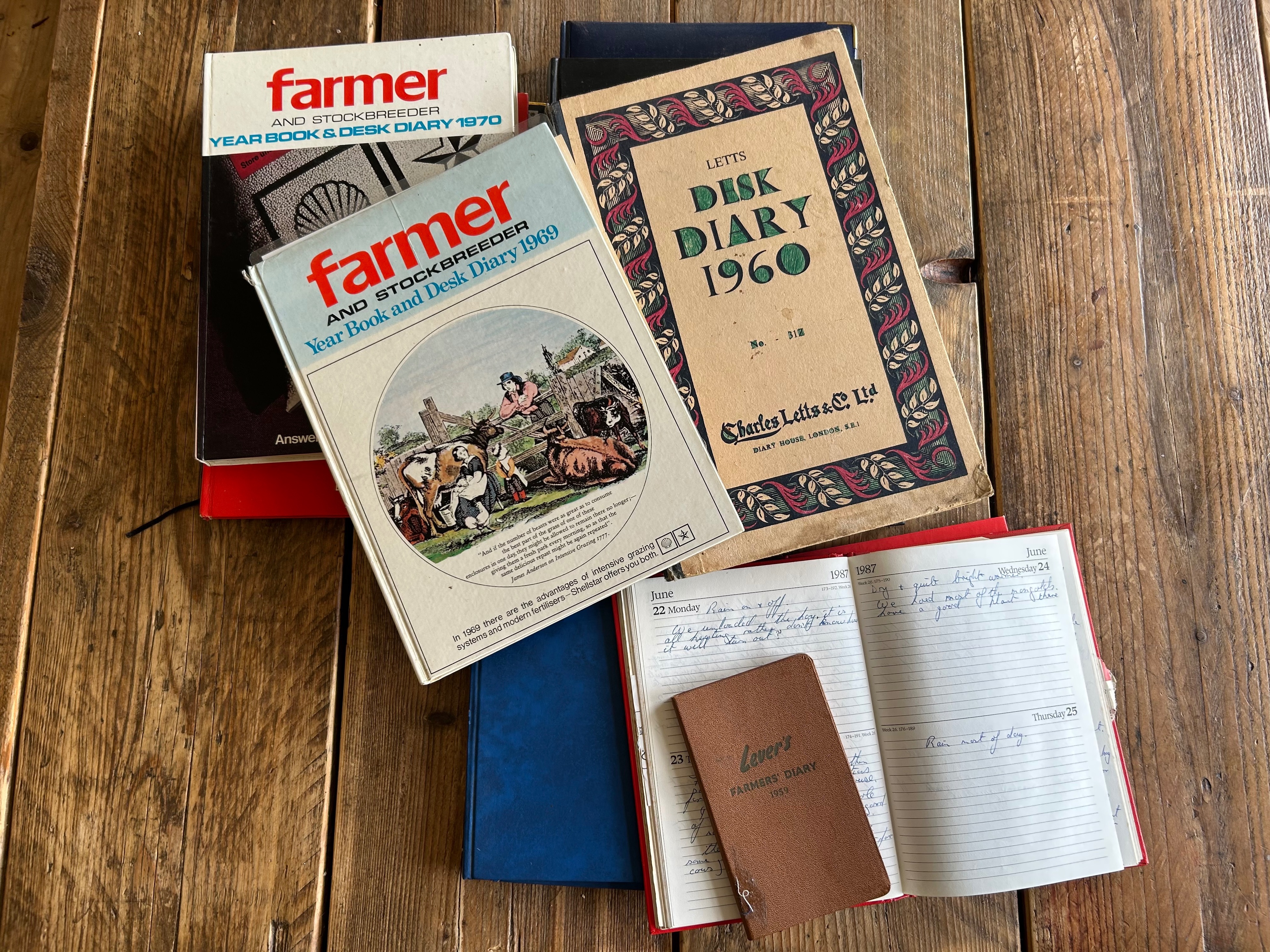
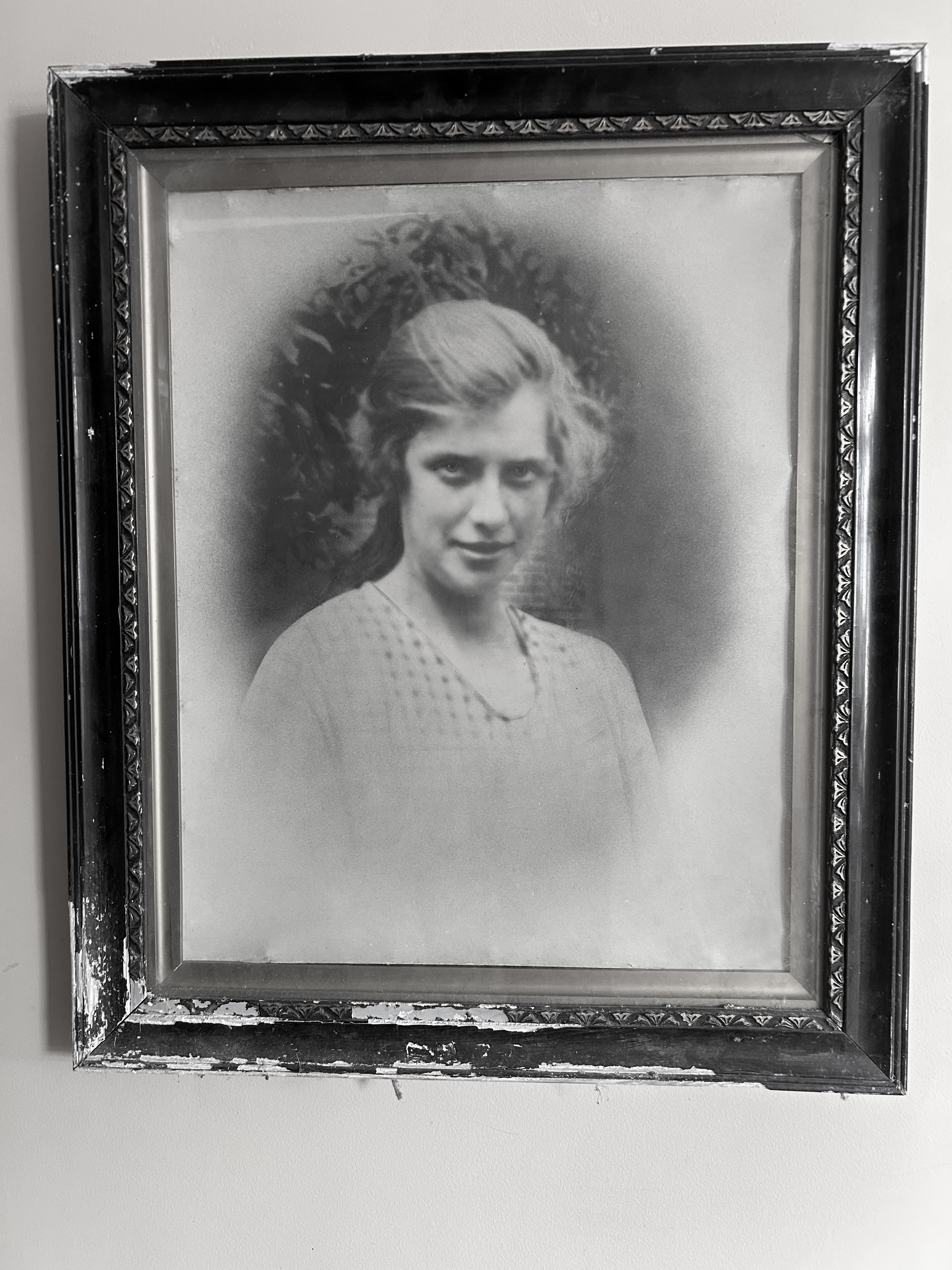
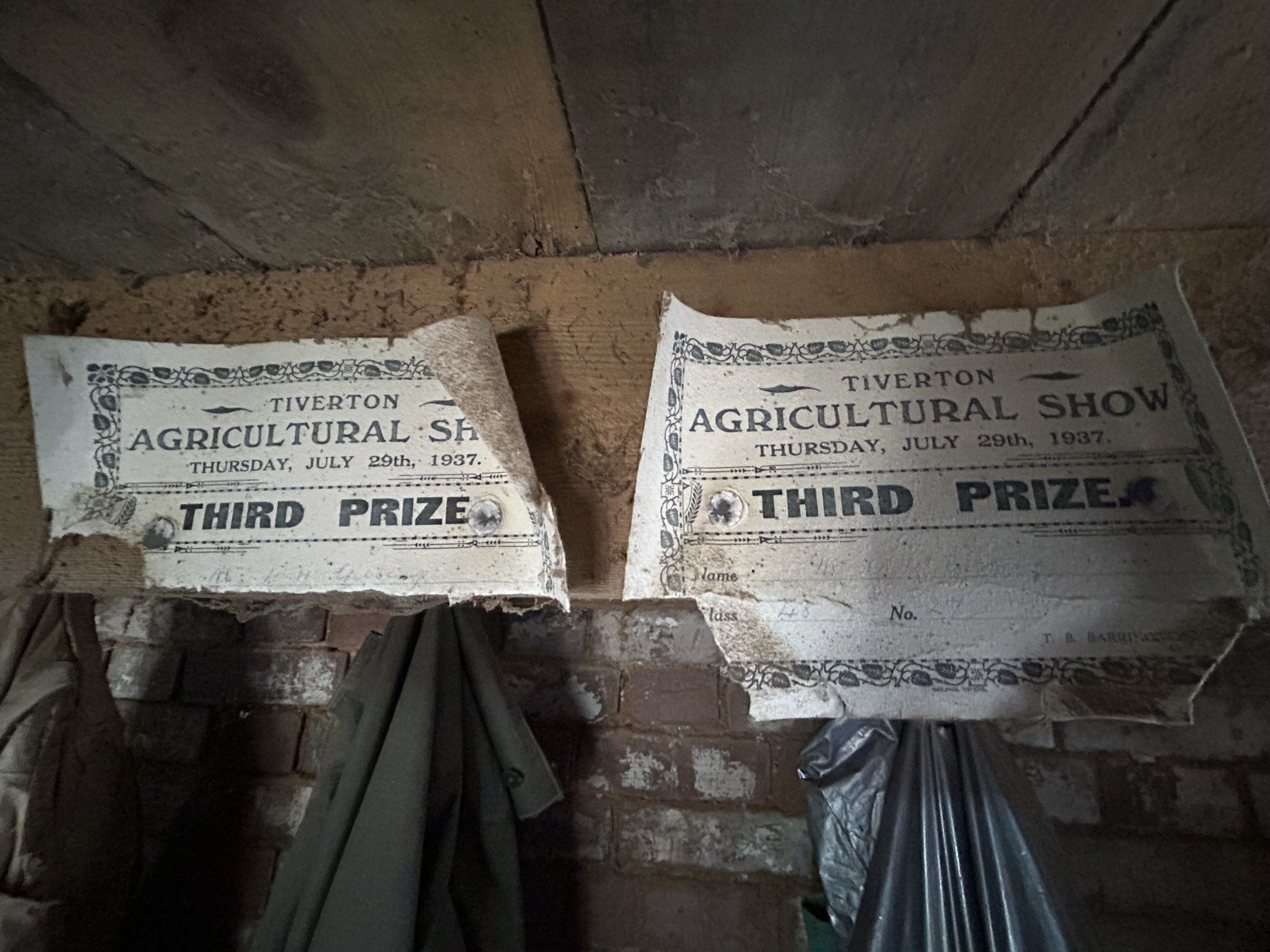
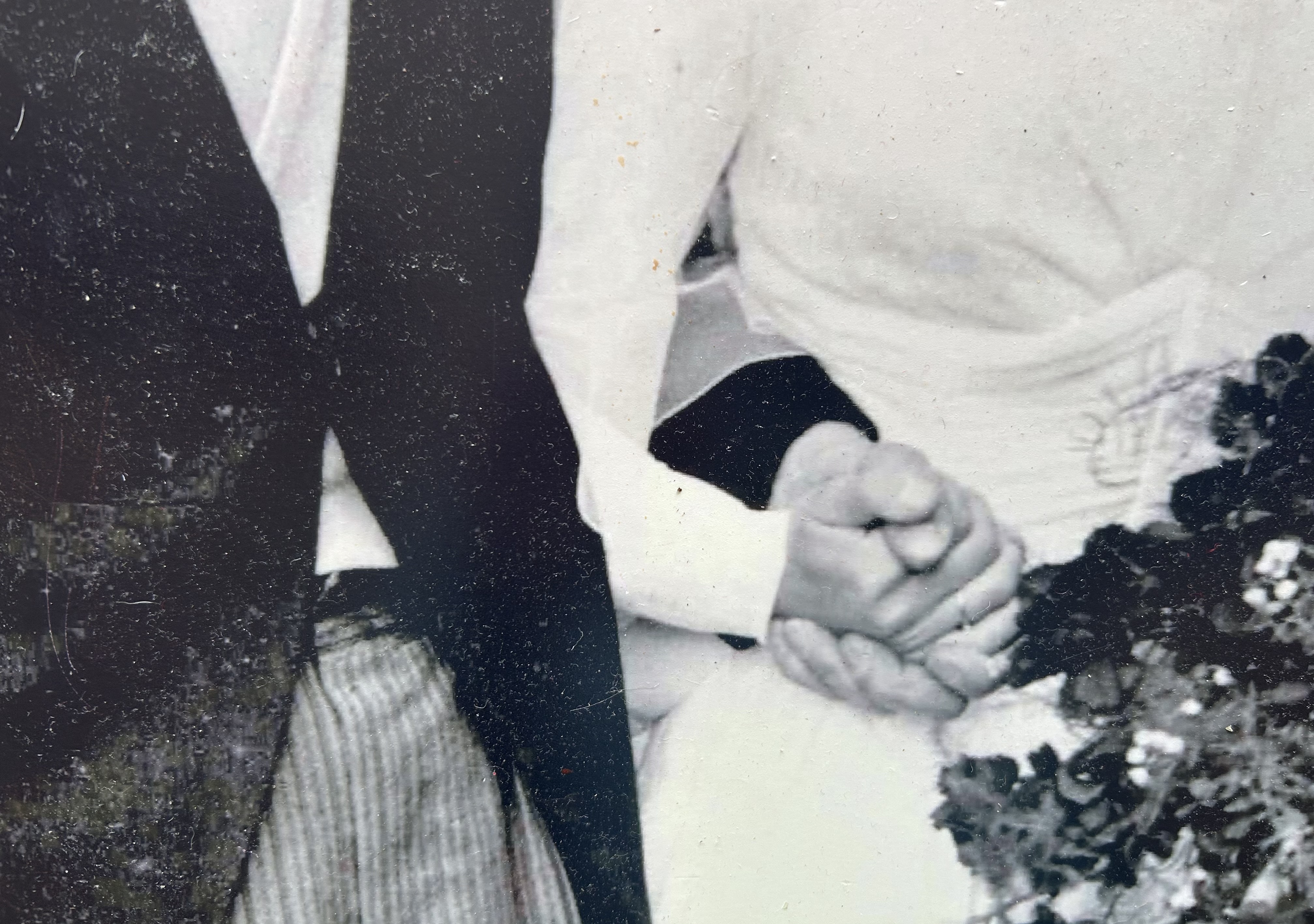
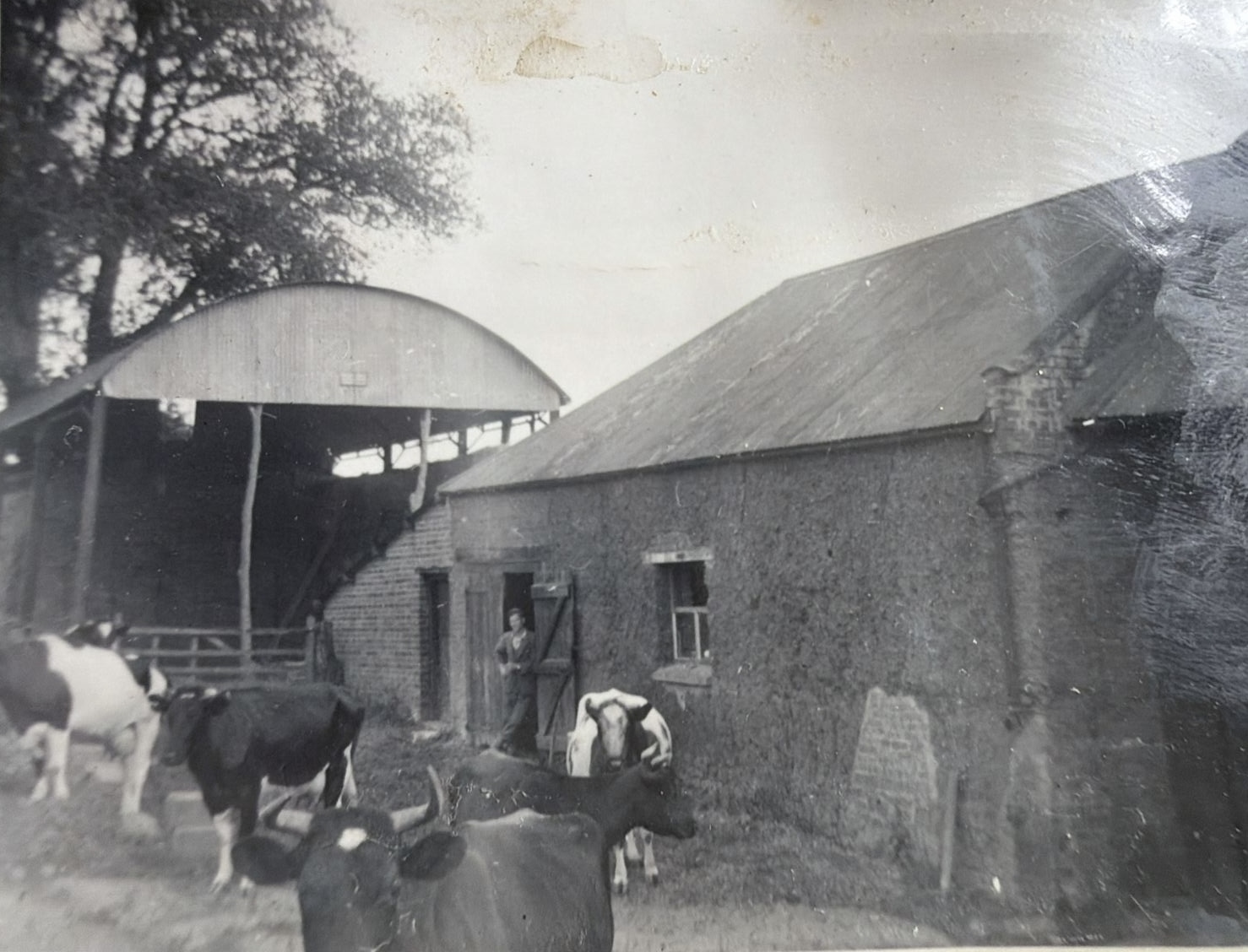
One farmer's diaries spanning more than seventy years helped shape the story of Malumdon Farm. The photograph of Peter Davies's mother inspired one of the novel's characters. The agricultural certificates displayed here were awarded to the Davies family and still hang on the barn wall nearly a century later.
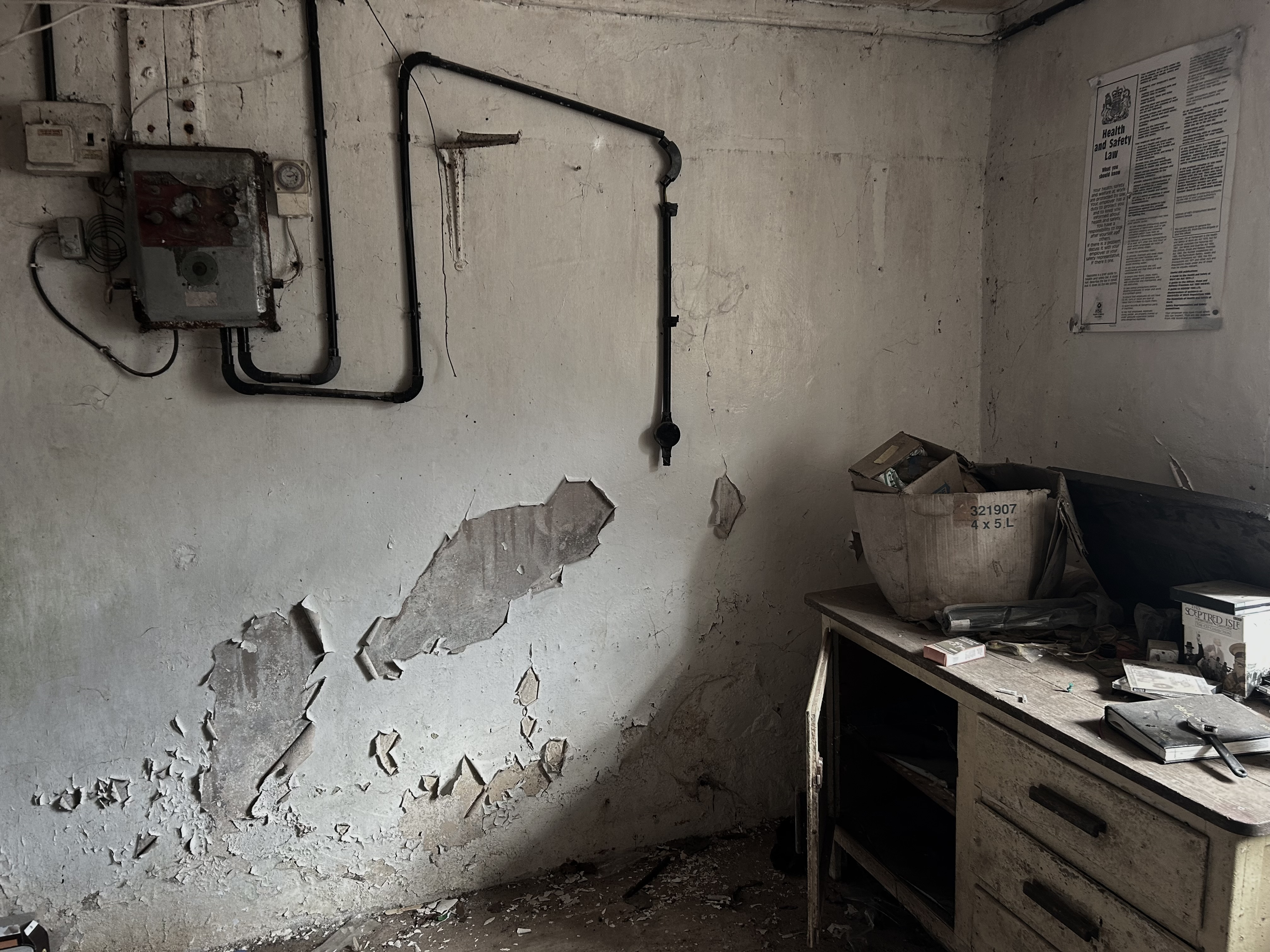
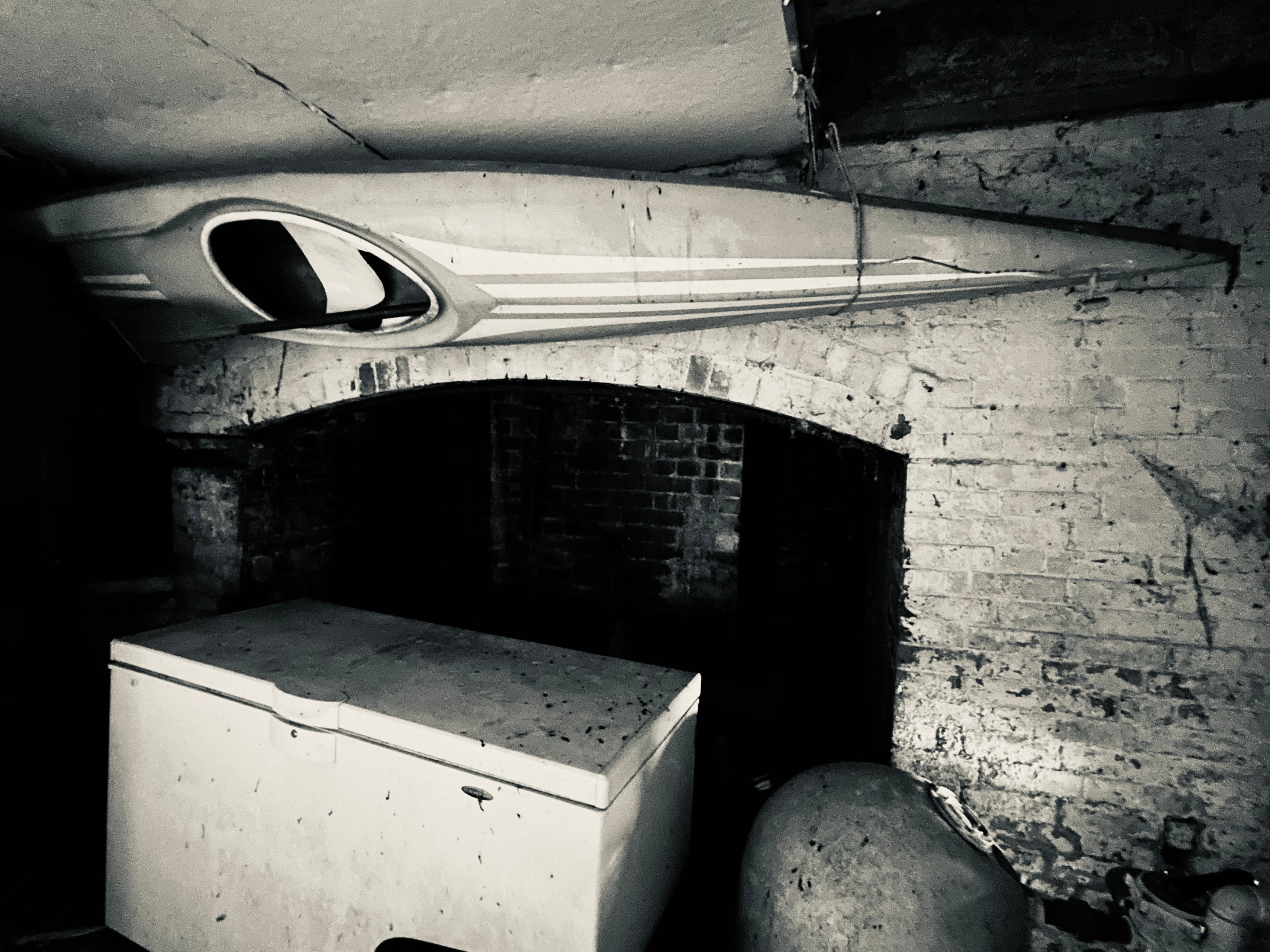
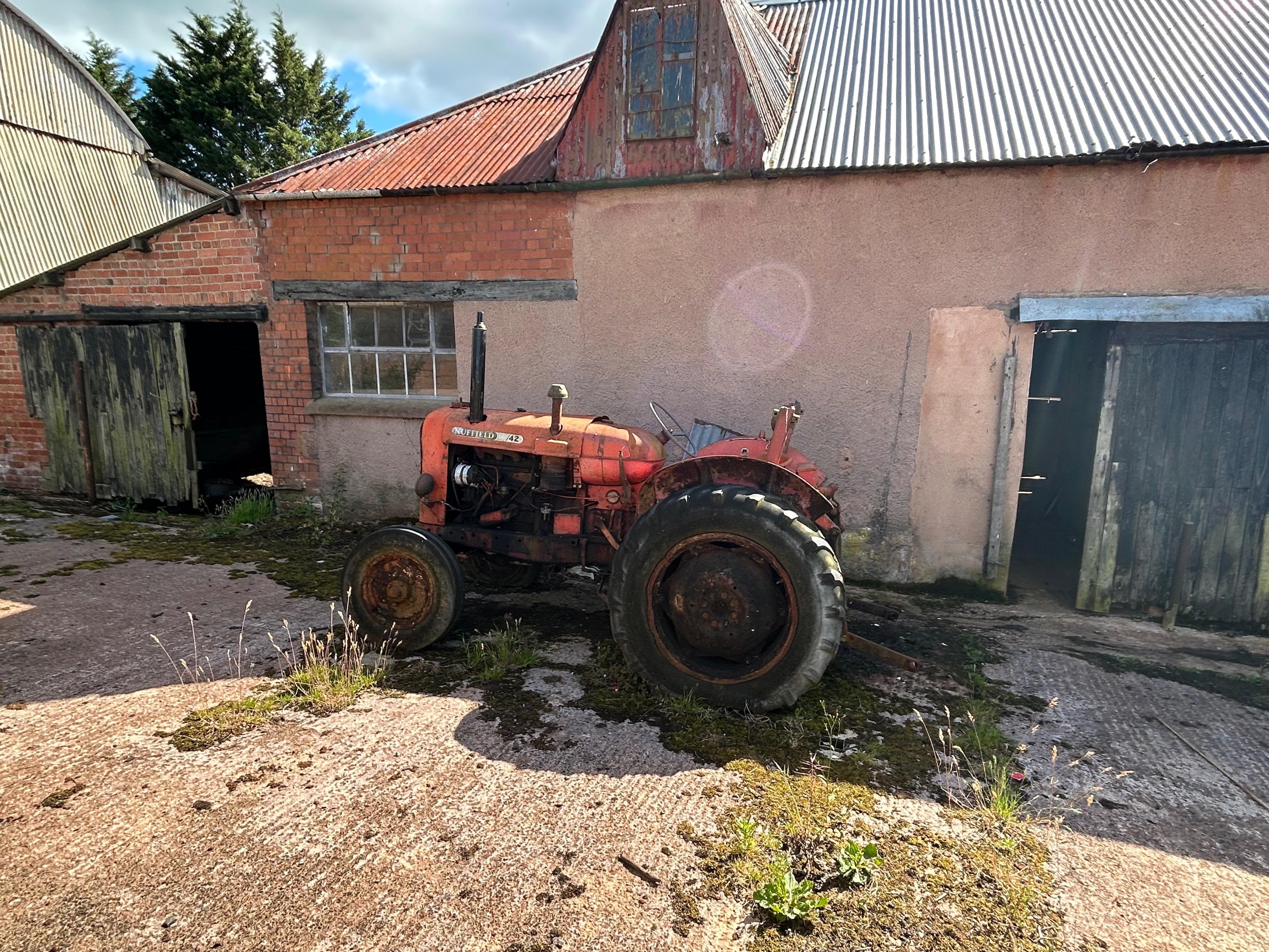
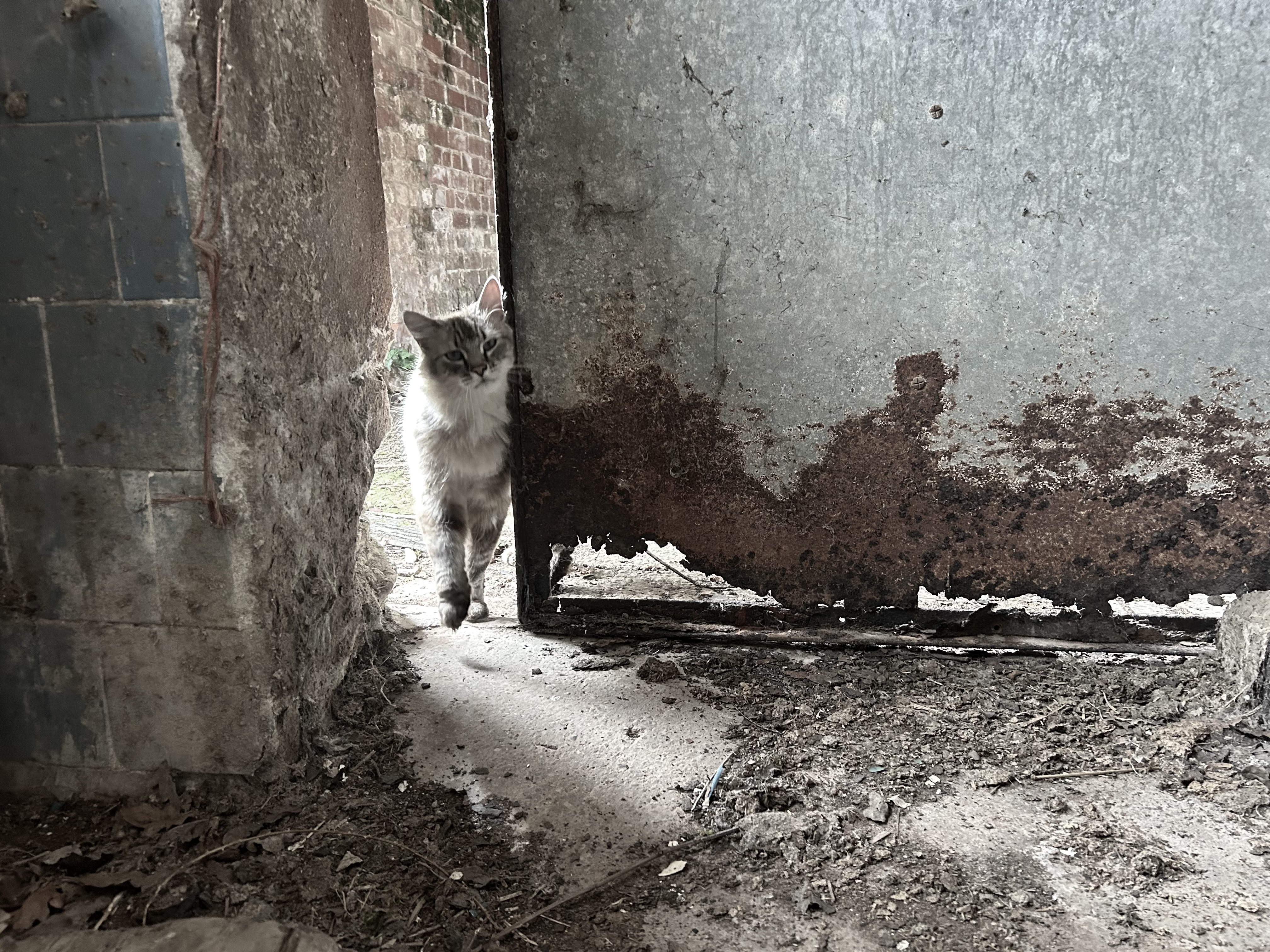
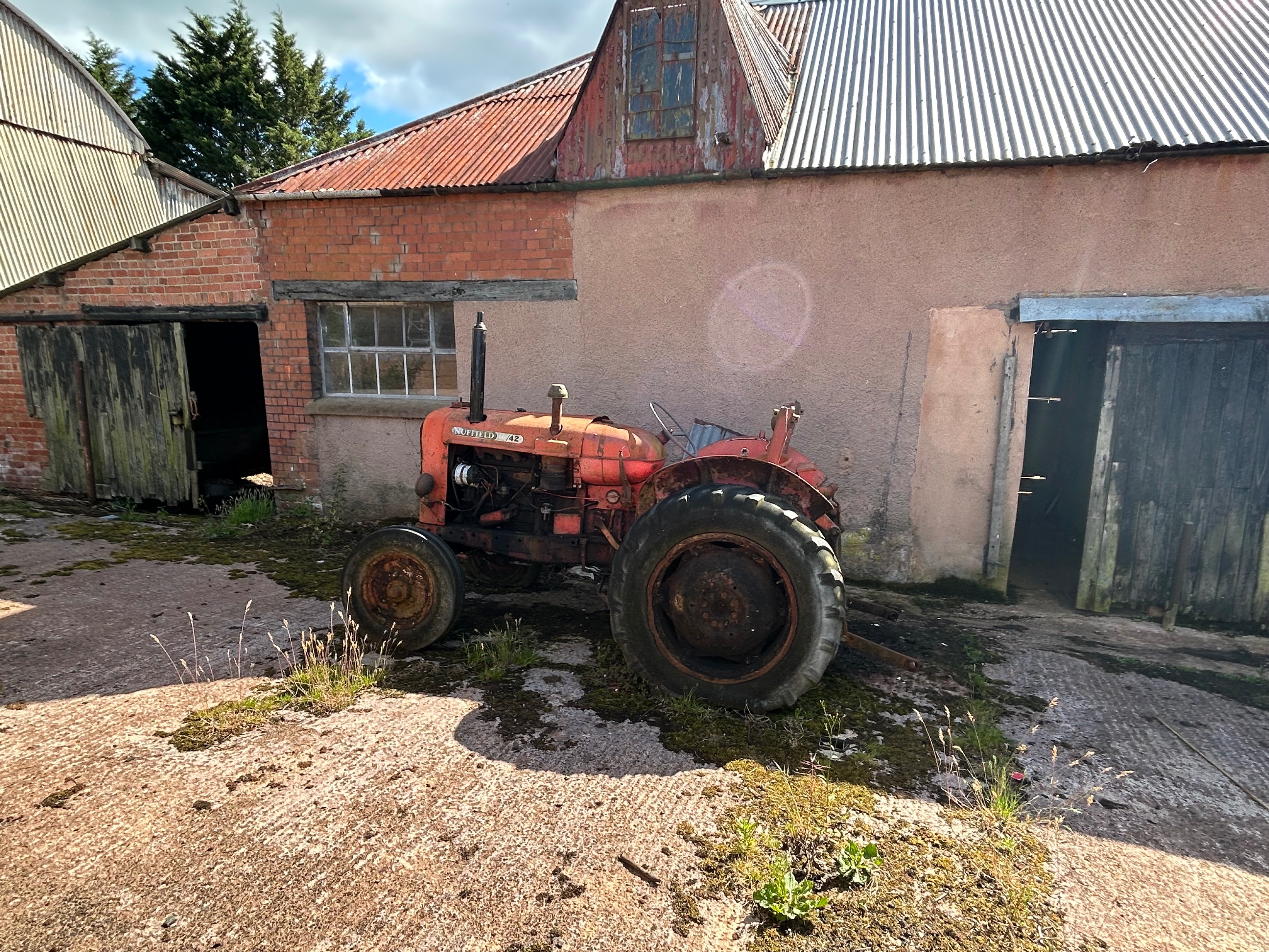
The old dairy, sink and office all belonged to the family whose lives inspired key characters in the story. The canoe pictured belonged to Daniel Davies, while Peter Davies's beloved Nuffield tractor is still parked next to the dairy barn. Even Frosty, the cat who inspired a character in the final novel, still lives here today.
The Map
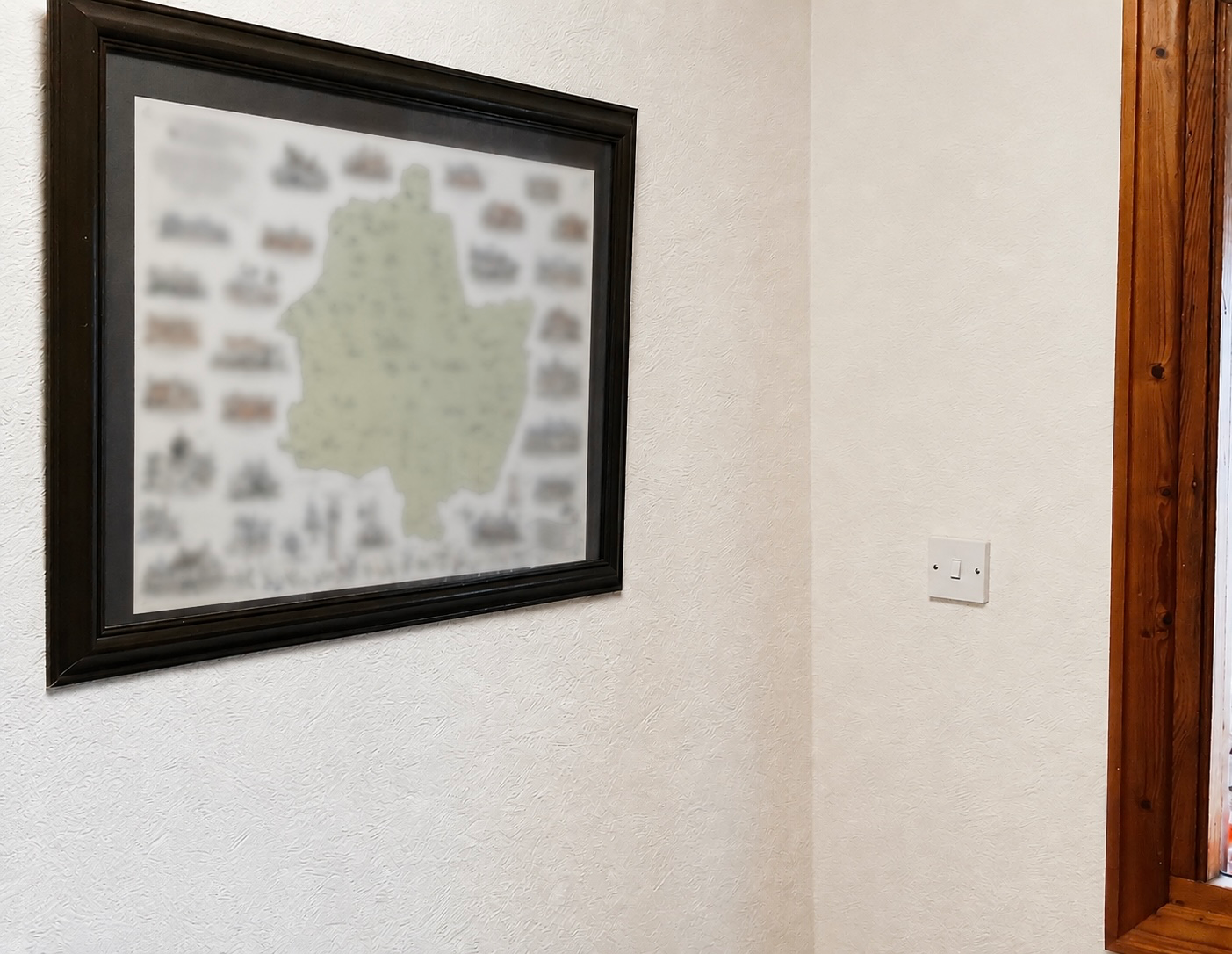
The map referred to throughout the trilogy is the original map displayed in the hallway of Edith's parents' house, where it remains today. The farm itself appears on historic maps dating back centuries.
The Restoration
Throughout The Black Harvest Trilogy, the restoration of the farmhouse becomes a recurring thread, reflecting the determination of Matthew and Edith to preserve both the building and the history it contains. Their efforts to repair and breathe new life into the property mirror many of the themes explored in the novels: resilience, family, and the enduring connection between people and place.
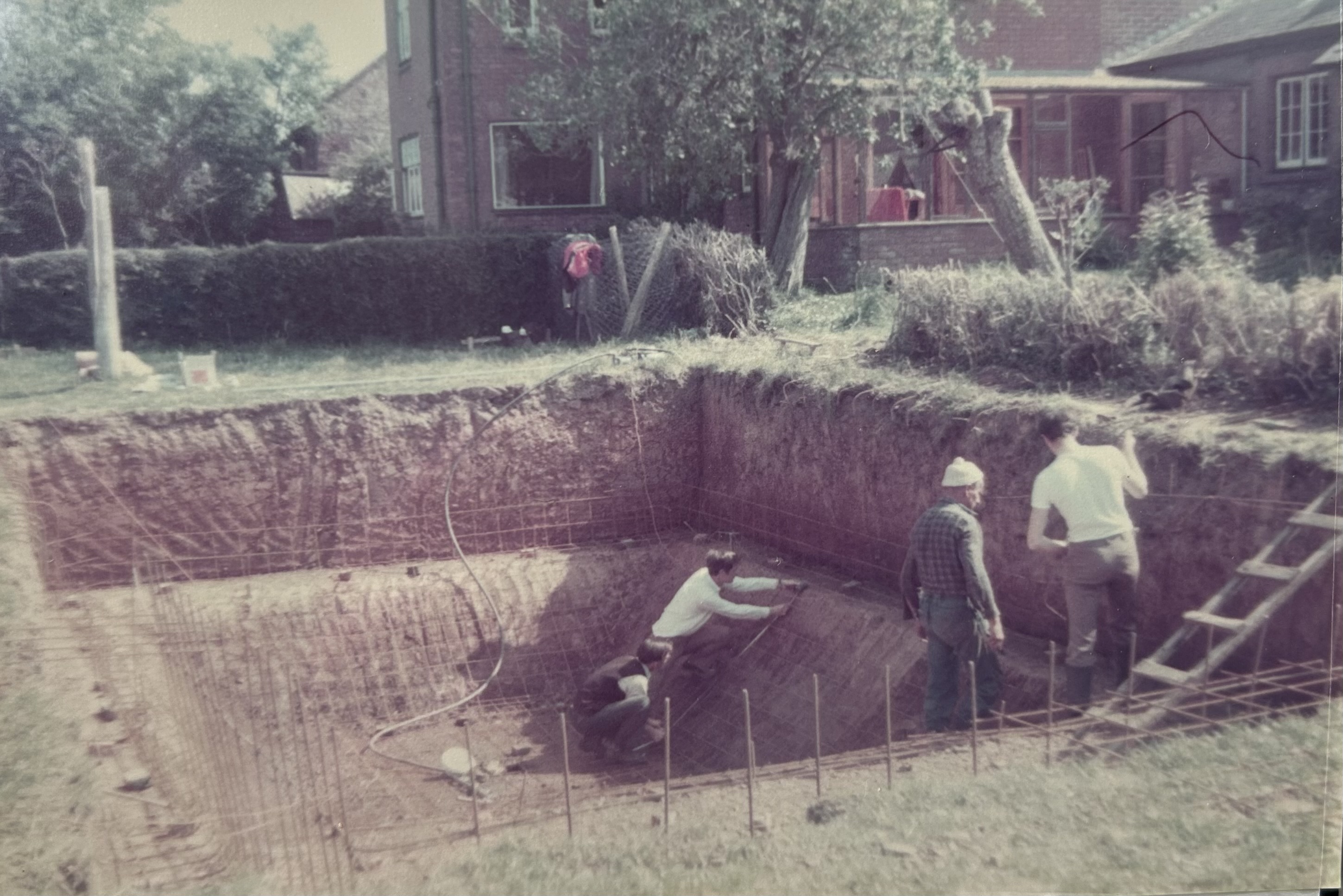
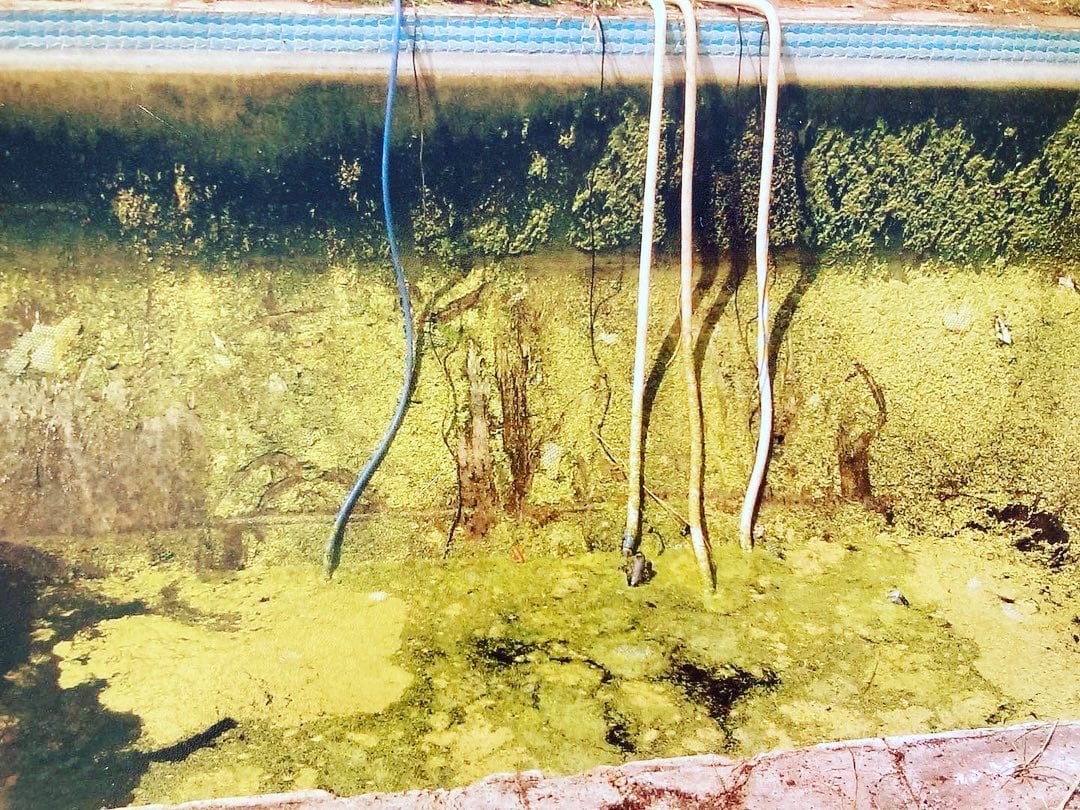
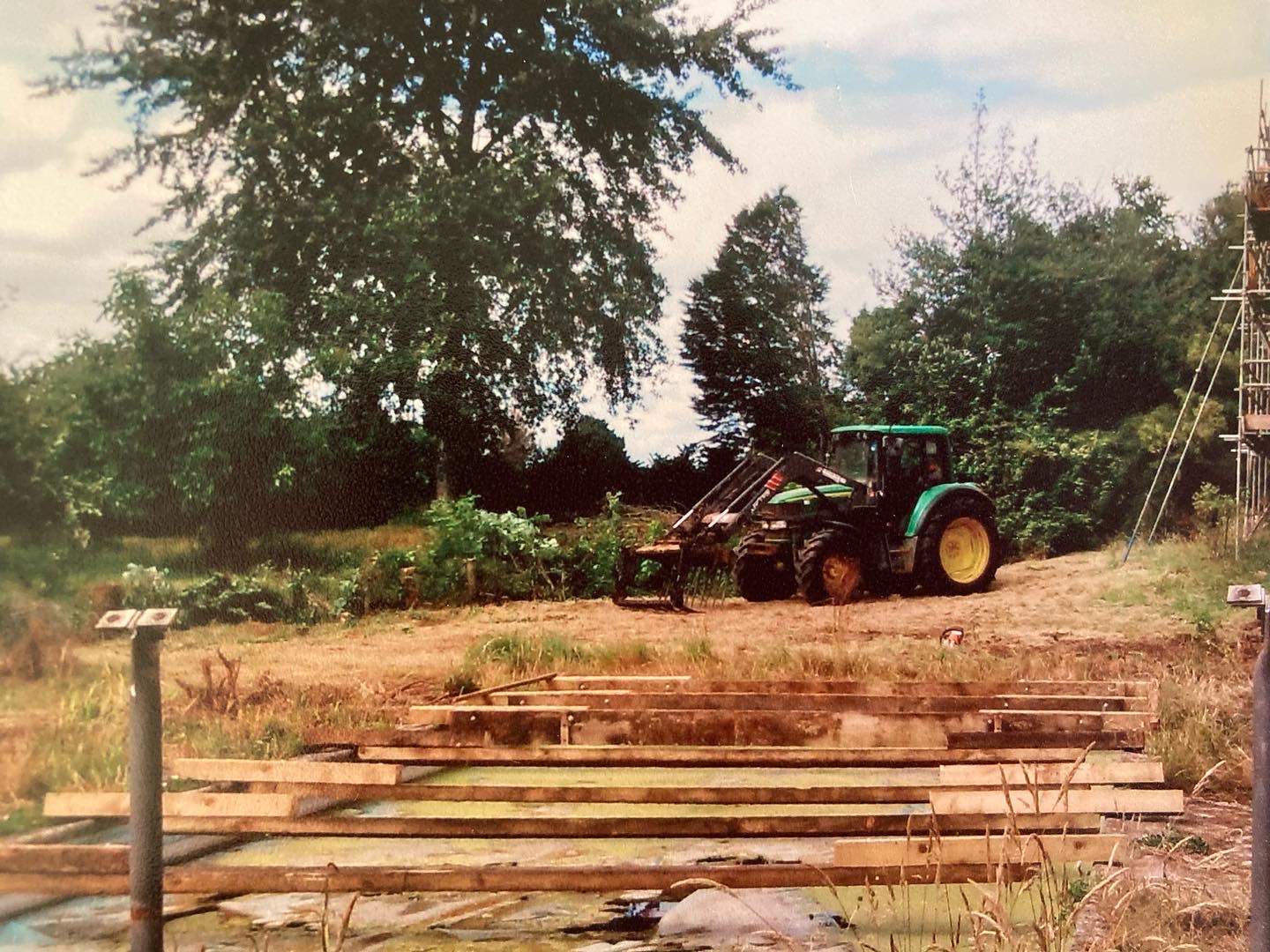
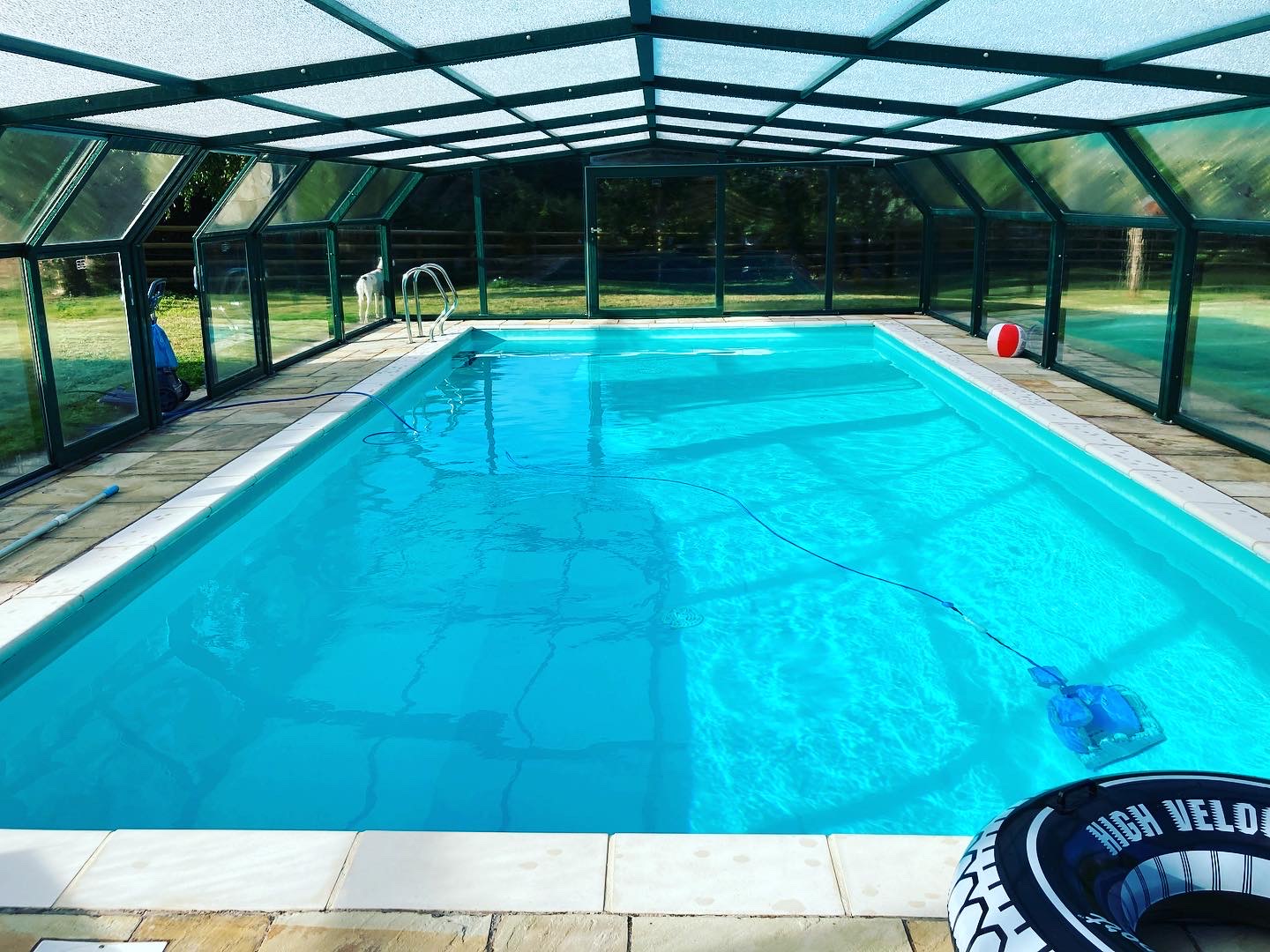
The real farm experienced a similar journey. Over the years, the property fell into neglect, reflecting a period when the farm and house were no longer at the centre of family life. One of the most visible reminders was the swimming pool, built in 1976, which gradually fell into serious disrepair. Its eventual restoration formed part of a bigger revival of the farm and house, breathing new life into a once-forgotten place. Today, guests staying at the farm enjoy a property that has been renewed while still retaining its connection to the generations who lived here before.